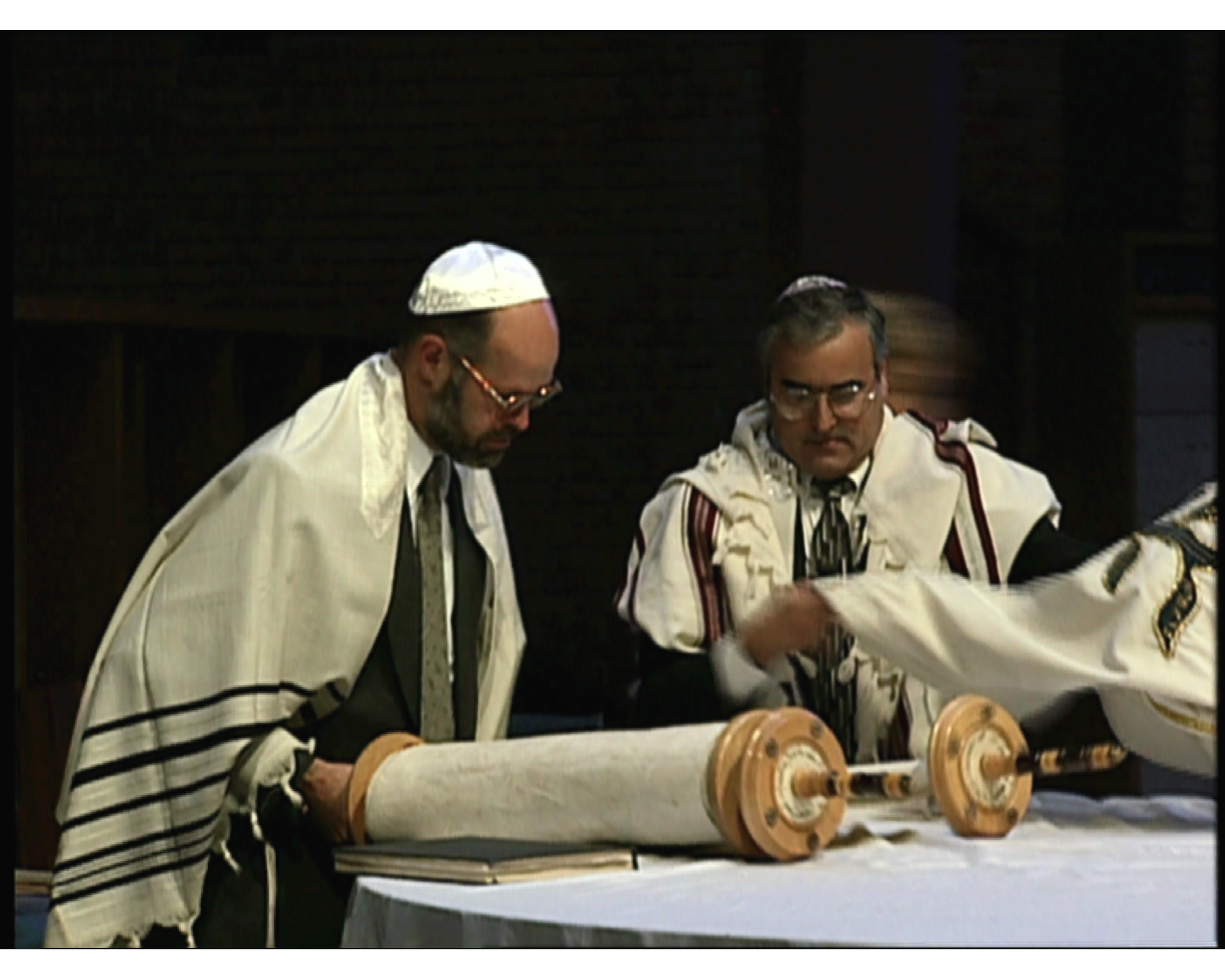
 Starting this week, the International Council of Christians and Jews (ICCJ) will be headed by a woman for the first time. Dr. Devorah Weissman will run the organization that tries to keep peace between Christians, Jews and now recently Muslims. Like Weissman said, her election is not the issue at stake. The issue is peace between the three religions. Below are a few quotes from Weissman.
There are assorted takes on the Torah, and each sees itself as most authentic, says Weissman. This notion is reflected in the Talmudic tradition, which embraces mahloket (dispute), she continues. "What is important is that we learn and understand that all approaches are legitimate and part of one tradition."
Just because people see their view as authentic doesn’t mean it is. Two contradictory views of truth and reality can’t both be right. Of course we shouldn’t impose our view on others, but that doesn’t mean we need to ‘learn and understand that all approaches are legitimate.’ We don’t need to have a relativistic view of religion to be effective peacemaker, and thinking all approaches are legitimate is naïve.
Also, how can two contradictory views be part of one tradition? If an approach contradicts a tradition, then it isn’t part of that tradition. If you want to be part of a tradition, you have to actually follow the beliefs of that tradition, not just believe you’re following it.
"I think that the humanistic approach is indeed closer because more xenophobic attitudes, which predominate in tribal societies, exist independent of the Torah. The message of loving the other, however, is where the Torah comes in."
The issues here are differences, communication and conflicts between religions. All three religions, Judaism, Christianity and Islam, assert a supernatural view of life and religion. What’s the point of dealing with this situation with a humanistic approach? The humanistic approach automatically assumes all three religions are wrong. It reduces the religions to opinions and preferences of how life should be lived. They turn into personal, relativistic sets of philosophies.
But that’s not what the religions are and it’s not what they claim to be. Each religion makes claims about reality as a whole and our place in it. A humanist approach trivializes all three religions.
 I’m sure xenophobic attitudes exist in these religions, but the situation is more complicated than that. It is possible to be opposed to a faith different than you own without being xenophopic, and accusing people in a religion trivializes them. This isn’t kist a fear of foreign customs or culture. These people believe their religion reflects reality and it’s their duty to tell others about it. Xenophobia is a oversimplification.
Being unbiased and diplomatic is a good goal, but Weissman and the ICCJ have taken it too far. They’ve made themselves ineffective by adopting philosophies that are out of touch with the people they are trying to help.
Anyone can say ‘All views are legitimate, so let’s just get along.’ It takes real wisdom, courage and communication skills to stand up for your beliefs and talk with someone who disagrees at the same time.

No comments:
Post a Comment